Vacations don’t need to drain your savings account to be memorable. With a little planning, you can explore new places across the U.S. while keeping expenses under control. Whether you’re heading for a quick getaway or a week-long escape, these strategies will help you stretch your travel budget without sacrificing fun.
1. Explore National and State Parks
The U.S. is home to 63 national parks and thousands of state parks, many of which are incredibly affordable to visit. Entrance fees are often under $35 per vehicle, and some states even offer annual passes. Parks like Shenandoah (Virginia), Great Smoky Mountains (Tennessee/North Carolina), or Olympic (Washington) provide breathtaking hikes, waterfalls, and scenic drives without the resort price tag.
💡 Tip: If you plan to visit more than one national park in a year, consider the America the Beautiful Pass ($80 annually), which grants access to over 2,000 federal recreation sites.
2. Camp Instead of Booking Hotels
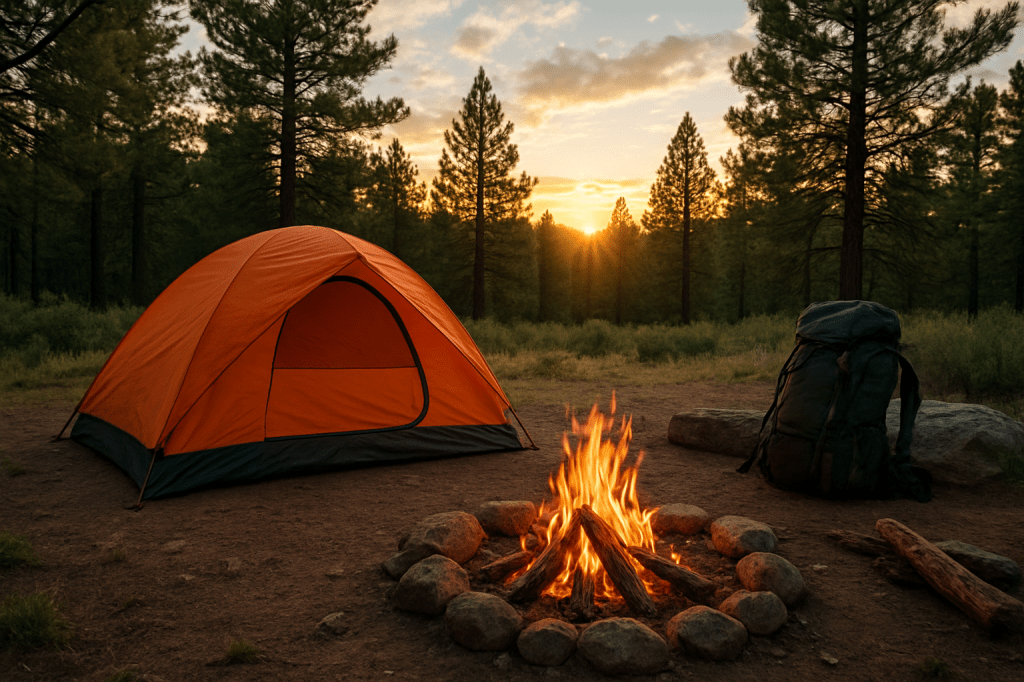
Camping can be one of the most cost-effective vacation options in the U.S.—and it adds an adventurous twist. Campsites in national or state parks usually cost between $10–$40 per night, compared to hotel rooms that can run hundreds. You can pitch a tent, rent a rustic cabin, or even bring along a camper van.
Great Camping Destinations Across the U.S.:
- Yellowstone National Park (Wyoming/Montana/Idaho): Famous for geysers and wildlife, Yellowstone offers multiple campgrounds where you can sleep under the stars just minutes from world-class scenery.
- Acadia National Park (Maine): Ideal for campers who love ocean views mixed with rugged mountain trails. You can wake up to sunrises on the Atlantic coast.
- Joshua Tree National Park (California): Known for surreal desert landscapes and incredible stargazing, Joshua Tree camping is a bucket-list experience.
- Great Smoky Mountains National Park (Tennessee/North Carolina): With no park entry fee and dozens of campgrounds, this is one of the most affordable (and popular) places to camp in the U.S.
- Glacier National Park (Montana): For adventurous travelers, camping here offers alpine lakes, scenic drives, and some of the country’s most dramatic mountain views.
💡 Budget Tip: Some parks offer first-come, first-served sites, so you don’t always need reservations (though popular parks like Yellowstone or Acadia do book up early). For added savings, check out dispersed camping on U.S. Forest Service or Bureau of Land Management (BLM) land—many sites are free or very low-cost.
3. Swap Hotels for Vacation Rentals or Unique Stays
When camping isn’t your style, vacation rentals can save money and give you more space. Platforms like Airbnb or Vrbo often offer whole apartments or houses for less than the price of a downtown hotel room—plus you get a kitchen to cook some of your meals. For something even more adventurous, try cabins, yurts, or tiny homes in scenic areas.
💡 Tip: Mid-week stays are usually cheaper than weekends.
4. Take Advantage of Free City Attractions
Many U.S. cities offer free museums, walking tours, and cultural events. For example, Washington, D.C. is packed with free Smithsonian museums, Chicago has free Millennium Park concerts in the summer, and San Francisco’s Golden Gate Park hosts free festivals throughout the year.
💡 Tip: Before traveling, check the city’s tourism website for free seasonal events.
5. Travel Off-Peak
Timing your vacation can make a huge difference. Destinations like Florida beaches or the Grand Canyon are significantly less expensive in shoulder seasons (spring and fall). Not only are flights and accommodations cheaper, but you’ll also enjoy fewer crowds.
💡 Tip: Google Flights and Hopper apps help track when prices dip for your chosen destination.
6. Use Public Transportation or Walk
Skip expensive car rentals and parking fees when visiting cities. Many U.S. destinations have reliable public transit systems, and in walkable cities like Boston, Portland, and New Orleans, you can explore entire neighborhoods without ever needing a car.
💡 Tip: Some cities, like Denver and Salt Lake City, offer free downtown shuttles—perfect for budget-conscious travelers.
7. Mix Dining Out with DIY Meals
Food can be one of the biggest travel expenses. While it’s fun to splurge on a few local specialties (deep-dish pizza in Chicago, barbecue in Texas, or lobster rolls in Maine), balance it out with budget-friendly meals. Shop at local markets, pack picnic lunches, or cook at your campsite.
💡 Tip: Farmers markets not only save money but also let you experience local culture and flavors.
8. Choose Lesser-Known Destinations
Instead of pricey hotspots like Miami or Las Vegas, look for underrated U.S. destinations. Cities like Asheville (North Carolina), Boise (Idaho), or Santa Fe (New Mexico) offer rich culture, food, and outdoor activities at a fraction of the cost.
💡 Tip: College towns can be surprisingly fun, especially in summer when campus crowds thin out and lodging deals pop up.
9. Bundle Experiences with Passes
Tourist passes can be a great deal if you plan to visit multiple attractions. For example, the New York CityPASS offers discounts on museums and observation decks, while San Diego’s Go City Pass bundles theme parks, zoos, and tours.
💡 Tip: Always compare the pass cost to the regular ticket prices to ensure you’re saving money.
Final Thoughts
Camping, hiking, city passes, and off-peak travel—these cost-effective strategies let you see more while spending less. Vacations don’t have to be about splurging; they’re about making memories, whether you’re sitting under the stars at a campground or exploring a new city on foot. With smart planning, you can travel further, experience more, and still keep your budget intact.
 Practically Wealthy